Crafted by Mountain Hands

Step into kitchens and pastures of Slovenia’s soaring northwest, where families keep skills alive through Herbal Foraging, Cheesemaking, and Fermentation as Everyday Crafts in Julian Alps homesteads. Together we’ll wander meadows, stir curds, pack crocks, and learn how landscape, patience, and shared wisdom nourish food, health, and belonging all year.

Where Pastures Meet the Sky

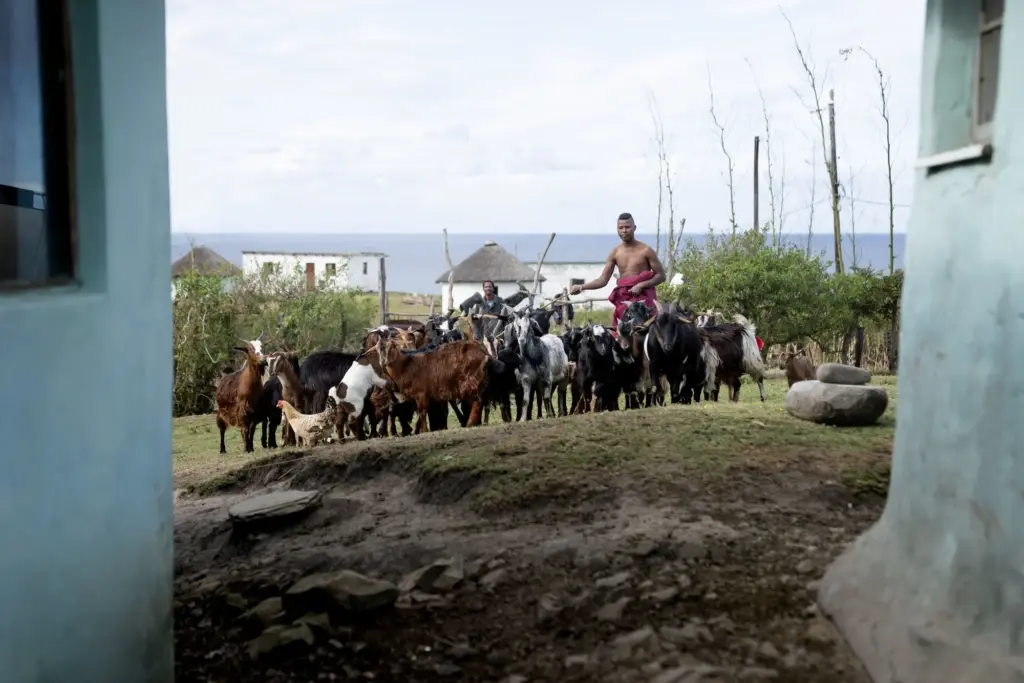
High ridgelines cradle hayfields, larch forests, and cold springs that shape every decision in the kitchen below. Livestock graze in rotating pockets of sunlight, herbs capture resin and wind, and the cellar breathes gently. Understanding this geography explains flavors, schedules, and the unbroken habit of using everything, even whey and wild stems.

Gathering Green Knowledge

Foraging here is both pantry work and quiet ceremony. Hands remember where gentler shoots return, where juniper hides, and where ramsons carpet streams in spring. Sustainable habits—taking little, stepping softly, and skipping scarce patches—keep baskets generous without wounding meadows, ensuring tomorrow’s meals remain as alive as today’s discoveries.

Milk Turned into Memory

Morning milk carries meadow stories, warmed by animals that grazed among clover, sainfoin, and thyme. In kitchens lined with wood, curds set patiently, whey runs clear, and wheels learn the cool dialect of stone cellars. Names like Tolminc or Mohant point to valleys, but flavor ultimately belongs to weather and hands.

Cabbage, Turnip, and Spruce-Tip Brines

Crisp shreds pack tight, salted by weight so juices rise confidently. Turnip coins add floral bite, while young spruce tips contribute citrusy forest notes. Stones hold vegetables beneath brine, lids breathe, and the first tangy scent announces a change that remains both simple and astonishing, batch after patient batch.

Cultures, Temperatures, and Timing

Cool rooms slow the rush and build complexity; warmer corners finish kraut with friendly speed. Starters from yesterday’s brine guide flavor, yet new batches sing differently with season and vegetable. Makers watch, taste, and note pH or aroma, adjusting salt and time so nourishment stays safe, vibrant, and balanced.

Daily Rhythms of the Homestead

These crafts fit between chores, not after them. Morning milking becomes curd setting, which frees the afternoon for gathering herbs before shadows lengthen. Evenings mean turning wheels, burping jars, and tallying what sold at the roadside table. Work moves like a dance, guided by animals, weather, neighbors, and hunger.

Rotations That Save Daylight

On wash days, brining pauses; on hay days, ferments are checked at lantern light. A chalkboard lists curd cuts, herb drying times, and market orders. The sequence feels musical: quick tasks tucked between heavy ones, leaving space for tea, stories, and a quick walk to the cold spring.

Market Days and Neighborly Exchange

At stalls near village chapels, wheels share space with jars, syrups, and herb bundles tied with linen. Regulars ask about last week’s batch, trade seedlings, and bring news of pasture gates. Feedback becomes guidance, shaping salt levels, drying blends, and prices, while friendships keep the countryside generous and resilient.

Passing Skills to Curious Hands

Children learn by taste first, then by touch: nibbling fresh curd, sniffing thyme, tapping jars to count bubbles. Small responsibilities—washing crocks, turning cheeses—grow into stewardship. Laughter mixes with careful notes, proving that precision and play can share a table, and that continuity thrives when learning feels delicious.

Tradition, Science, and Tomorrow

Mountain kitchens honor old ways while welcoming clear, simple science. Thermometers, pH strips, and clean routines safeguard what grandmothers taught by scent and sound. Climate swings challenge pasture calendars, yet adaptation follows, guided by collaboration, local rules, and a stubborn belief that good food begins with attentive, loving hands.

Weather Shifts and Alpine Resilience

Warmer springs hurry pastures, yet late frosts still ambush herbs. Families hedge with staggered cuts, shaded drying, and flexible grazing. Ferments bridge shortages, cheeses hold months of sunlight, and shared notes across valleys help everyone pivot. Resilience here is practical hope, written in brine, rinds, calendars, and neighborly calls.

Raw Milk Rules, Labels, and Trust

Labels describe origin, aging, and safe handling, while makers invite visitors to watch clean routines. Local regulations guide temperatures and sales, but the strongest assurance is transparency—open doors, shared tastings, and prompt answers. Trust grows whenever a knife, a ledger, and a smile agree on what the palate feels.
Lentovarovexopexinexodari
Privacy Overview

This website uses cookies so that we can provide you with the best user experience possible. Cookie information is stored in your browser and performs functions such as recognising you when you return to our website and helping our team to understand which sections of the website you find most interesting and useful.